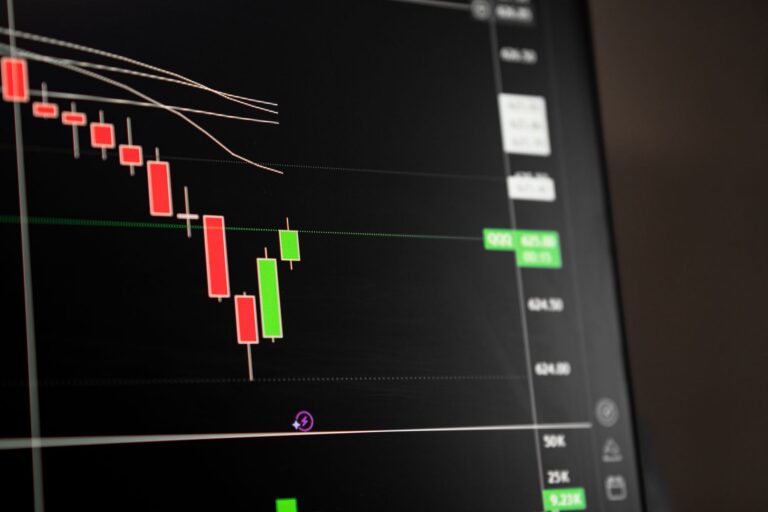
Gold is trading at $4,263.60, down 2.7% on the session, and the selloff is happening right where I expected pre-Fed positioning to get messy: just below the obvious $4,300 liquidity shelf. This XAU USD analysis is less about panic and more about order flow. The dollar is bid, risk assets are soft, yields are slightly lower, and gold is still being sold. That tells me the market is cleaning out exposure before the Fed gives traders a fresh reason to commit.
For broader context across indices, commodities, and FX, I keep a close eye on more market analysis, because gold rarely moves in isolation when the dollar and Fed expectations are driving the tape.
Market Snapshot: XAU/USD Leads The Downside
Gold trades at $4,263.60, down 2.7% intraday, making it the strongest allowed mover today.
XAU/USD is the clean downside leader among the main tradeable markets I’m tracking here. WTI crude is down 2.2% at $75.10, the S&P 500 is lower by 1.2% at 7,420, and the Nasdaq Composite is off 1.3% at 26,022. Gold is underperforming that whole risk complex, which matters because bullion is usually treated as a defensive asset when equities get hit.
That defensive bid is absent for now. Sellers have pushed price under the $4,300 area, and spot gold is holding near $4,263.60. The move has the look of a forced reduction in longs rather than a slow rotation out of metals.
The U.S. Dollar Index rises 0.6% to 100.67, keeping pressure on XAU/USD into the Fed decision.
The dollar is the key driver. DXY is up 0.6% at 100.67, and that strength is pressing directly into XAU/USD. EUR/USD is down 0.3% at 1.1469, GBP/USD is down 0.4% at 1.3232, and USD/JPY is holding firm at 160.85. That is broad dollar demand, not a one-pair quirk.
Gold can absorb a lot of noise, but a bid dollar before FOMC usually tightens the room for bullish continuation. I’d rather respect that than argue with it.
The VIX falls 7.7% to 17.02, signaling a positioning reset rather than a panic-driven haven move.
The VIX is down sharply to 17.02, even with equities lower. That is an important tell. A true fear bid often comes with volatility expansion, forced equity selling, and a stronger haven impulse. Here, volatility is easing while gold sells off. That suggests the gold move is more about positioning, dollar strength, and pre-event cleanup than broad panic.
Recent market coverage has also kept attention on Fed-day positioning and cross-asset flows, including CNBC’s Opening Bell coverage. That fits the current setup: traders are reducing exposure before the policy signal, not necessarily pricing a disorderly shock.
Why Is Gold Price Today Falling Before The Fed?
Dollar strength is the cleaner intraday driver, outweighing the usual support from softer Treasury yields.
The phrase gold price today can be misleading if traders only look at yields. Yes, lower yields often support gold because bullion pays no yield. But the market is not rewarding that relationship right now. The dollar bid is cleaner, stronger, and more relevant intraday.
Gold at $4,263.60 is telling me buyers are not comfortable defending the high ground into the Fed. The selloff below $4,300 likely flushed weak longs, and the next reaction will tell us whether stronger hands are waiting lower or whether this is the start of a deeper repricing.
The U.S. 10-year yield sits at 4.443%, down 0.4%, but gold is ignoring yield relief as DXY demand dominates.
The U.S. 10-year yield is at 4.443%, down 0.4% on the snapshot. That should normally give gold some relief. It hasn’t. When gold ignores a supportive input, I treat that as information, not an inconvenience.
Earlier pre-Fed metals coverage, including a Kitco PM Report carried by Bitget, highlighted gold, silver, oil, and yields ahead of the Fed. The current tape has shifted into a more defensive metals posture, with the dollar overpowering the yield story.
Pre-FOMC positioning is reducing long exposure before policymakers clarify the next rate path.
Markets expect the Fed to hold rates at 3.50% to 3.75%, but the hold itself is not the real event. Guidance is. Traders want to know whether the Fed sees inflation risk as sticky, growth as vulnerable, or the labor market as balanced enough to justify a softer tone.
Before that clarity, long gold exposure becomes fragile. Funds that bought momentum above $4,300 do not want to carry full risk into a statement, press conference, and dot-path reaction. That is exactly the environment where obvious stops get targeted.
How Does The DXY Gold Correlation Shape This Move?
A firmer dollar makes gold more expensive for non-dollar buyers, creating direct pressure on XAU/USD.
The dxy gold correlation is straightforward in this session. A stronger dollar raises the relative cost of gold for non-dollar buyers and tightens financial conditions through FX. That does not guarantee gold must fall every time DXY rises, but it creates a headwind bulls have to overcome.
At DXY 100.67, the dollar has enough strength to keep gold sellers active. The pressure is showing up where it matters, below the $4,300 level that had become too visible to ignore.
The negative DXY gold correlation is active today because dollar strength is rising while yields are easing.
The cleaner signal is the divergence between yields and the dollar. Yields are slightly lower, yet gold is down 2.7%. That puts the spotlight on FX. When two macro inputs disagree, I favor the one price is actually responding to.
In my own trading, pre-Fed gold raids often look deceptively chaotic during the first displacement. The cleaner read usually comes after the initial break, once you can see whether price accepts below the broken level or snaps back above it.
If DXY holds above 100.67, gold may remain vulnerable to further downside liquidity hunts.
A dollar hold near or above 100.67 keeps pressure on XAU/USD. Gold does not need a massive DXY rally to remain heavy. It only needs dollar strength to avoid reversing while Fed risk stays unresolved.
That keeps attention on the next downside pockets. The $4,240 to $4,220 area is the zone I’d watch for a possible response, but I would not call it support until price actually reacts there with acceptance, absorption, or a clean displacement back higher.
What Is The Fed Gold Outlook For The FOMC Hold?
Markets expect the Fed to leave rates unchanged at 3.50%-3.75%, but guidance remains the real risk event.
The fed gold outlook is simple: the rate decision is probably less important than the message around it. A hold at 3.50% to 3.75% is widely expected. The market wants tone, timing, and tolerance. How patient is the Fed? How worried are policymakers about inflation? How much confidence do they have in the disinflation path?
For more background on how rate risk has recently pressured bullion, the related gold price analysis on rate risk is worth reading alongside this setup.
A hawkish hold could extend dollar strength and pressure metals into the next downside imbalance.
A hawkish hold means the Fed keeps rates steady but sounds unwilling to ease quickly. That would likely support the dollar and keep metals under pressure. Gold could then continue searching for lower liquidity, especially if $4,300 turns into resistance on a retest.
The next bearish imbalance would matter more if the market rejects reclaim attempts. Clean continuation usually leaves poor highs, failed retests, and thin bounces. That is what I’d want to see before treating this as more than a one-session stop-run.
A dovish hold or softer forward guidance could help gold reclaim lost liquidity if buyers step back in.
A softer Fed tone changes the setup quickly. Gold shorts created below $4,300 would be vulnerable to a squeeze, and sidelined buyers could use the selloff as a discount entry. In that case, price would need to recapture $4,300 and hold above it with real candle acceptance.
My opinion: chasing fresh shorts into the $4,240 to $4,220 demand zone before FOMC is lower quality than waiting for the post-statement reaction. The easy part of the intraday short has already happened.
Is This A Gold Liquidity Sweep Or Bearish Continuation?
From a smart money concepts view, the drop likely swept sell-side liquidity below the $4,300 area.
From a smart money concepts perspective, the move under $4,300 looks like a classic sell-side raid. The level was visible, recent longs likely had stops beneath it, and price moved through it aggressively before the Fed. That is the kind of area institutions can use to source liquidity.
A gold liquidity sweep does not automatically mean price must reverse. It only means the market has run stops below a known pool. The real question is what price does after the grab.
The $4,240-$4,220 demand zone is now in focus, but price has not confirmed a reaction there yet.
The next area I care about is $4,240 to $4,220. That zone sits close enough to current price to matter, and it gives the market a reasonable place to test whether buyers still want gold after the flush below $4,300.
Confirmation is everything. A wick into demand with weak follow-through is not enough. I want to see absorption, a shift in lower-timeframe structure, or a strong push back toward $4,300 before calling buyers back in control.
A reclaim above $4,300 would suggest the selloff was a stop run; failure there favors bearish continuation.
The $4,300 reclaim is the line between a successful raid and a more serious breakdown. A fast return above that level would trap late sellers and validate the idea that liquidity was taken before a rotation higher.
Failure below $4,300 keeps the selloff active. In that case, rallies become suspect, especially if DXY stays firm and gold cannot build acceptance above the broken shelf.
Which Smart Money Concepts Levels Matter Next?
$4,300 is the key reclaim level for bulls to prove the move was a liquidity sweep, not clean distribution.
The first level is $4,300. Bulls need to take it back. More importantly, they need to hold it after the reclaim. A single spike above the level is not enough, because headline volatility can create false breaks on both sides.
For SMC traders, the structure is practical: sell-side liquidity has likely been taken, and now the market must show whether that liquidity was used to accumulate or distribute. For a wider strategy library, I’d keep the SMC trading strategies section on your reading list.
$4,240-$4,220 is the next demand zone to monitor if downside pressure continues after the Fed.
The second level is the $4,240 to $4,220 demand zone. I’m interested in the reaction, not the label. Demand zones fail all the time when macro pressure is strong enough.
A constructive response would likely include a slower push into the zone, visible rejection from the lows, and a return toward $4,300. A weak response would leave price heavy near the lows, with buyers unable to produce any meaningful expansion.
A sustained failure below reclaimed liquidity keeps attention on the next bearish imbalance.
The third level is less about a single price and more about behavior after the reclaim attempt. Failed recaptures below $4,300 would keep the next bearish imbalance in play. That would suggest sellers are defending the broken liquidity shelf rather than letting price recover.
Gold is still close enough to the breakdown area for this to resolve quickly after the Fed. The danger is assuming direction too early. Let the market show acceptance, rejection, or continuation.
What Would Invalidate The Bearish Intraday Thesis?
A decisive move back above $4,300 with strong candle acceptance would weaken the bearish continuation case.
The bearish intraday view loses strength on a decisive move back above $4,300. I’m not talking about a one-minute spike. I mean acceptance, closes above the level, and pullbacks that hold instead of immediately failing.
That would tell me the break was more likely a stop-run than distribution. Shorts opened late below the level would then be exposed, and the market could squeeze toward the prior breakdown origin.
A DXY reversal from 100.67 would reduce the dollar-pressure narrative and improve the gold recovery setup.
The dollar is the pressure point. A reversal from 100.67 would weaken the main reason gold is underperforming despite lower yields. That would not automatically make gold bullish, but it would remove the strongest intraday headwind.
I’d also watch EUR/USD and GBP/USD for confirmation. Broad dollar softness would carry more weight than a single DXY wick.
A post-Fed dovish repricing could shift metals from liquidation mode into a short-covering rebound.
A dovish repricing after the Fed could flip gold quickly. The market has already reduced long exposure, and that creates room for a rebound if the policy message pressures the dollar. Short covering can be sharp around FOMC, especially when price is sitting below a widely watched level like $4,300.
That said, I do not want to front-run the Fed with conviction. The better trade is usually after the first reaction, once the market shows which side of liquidity it wants to accept.
FAQ
Why is gold selling off today?
Gold is selling off because dollar strength is dominating intraday flows before the Fed decision. XAU/USD trades near $4,263.60, down 2.7%, while DXY is up 0.6% at 100.67. Softer yields are not helping because positioning risk is centered on Fed guidance.
What does a gold liquidity sweep mean here?
A gold liquidity sweep means price likely moved below a visible liquidity pool to trigger sell stops before deciding direction. In this setup, the break below the $4,300 area may have cleared sell-side liquidity, with $4,240 to $4,220 now the demand zone traders are watching.
How does the Fed decision affect the gold outlook?
The Fed matters because markets expect rates to stay unchanged at 3.50% to 3.75%, but the tone of guidance can move the dollar and gold. A hawkish hold may pressure XAU/USD further, while dovish guidance could support a reclaim above $4,300.
Why is gold falling if Treasury yields are lower?
Gold often benefits from lower yields, but today the stronger dollar is the cleaner driver. The U.S. 10-year yield is down 0.4% at 4.443%, yet DXY strength near 100.67 is pressuring XAU/USD and overpowering the usual yield-relief effect.
What level should traders watch next on XAU/USD?
The key level is $4,300. A reclaim above it would suggest the selloff was a stop run and liquidity sweep. Failure below that area keeps the $4,240 to $4,220 demand zone in focus for smart money concepts traders.
Heading into the Fed, I’m watching whether gold can reclaim $4,300 or whether sellers defend that broken shelf and force a deeper run into demand. Which side do you think gets trapped after FOMC?
Disclaimer: This analysis is for educational purposes only and is not financial advice. Trade with a defined plan and manage risk carefully.