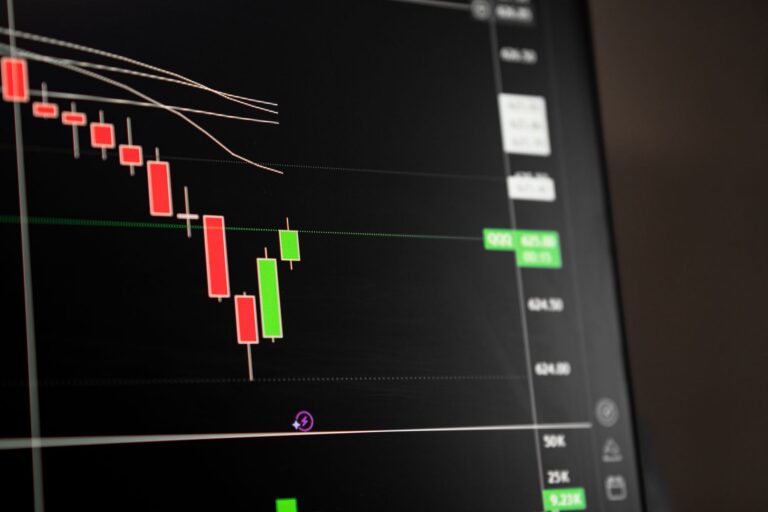

Gold price analysis starts with a simple tension: XAU/USD is trading at $4,187.30, up 1.5% intraday, while the US Dollar Index is basically flat near 100.88. That matters. Gold is not getting an easy tailwind from a broad dollar flush, and it is not leaning on panic volatility either, with VIX down 2.1% at 15.81. When gold rallies against that backdrop, I pay attention to structure first, headlines second.
The current bid is clean enough to respect, but not clean enough to chase blindly. At $4,187.30, gold has pushed into an area where late buyers can feel validated and early shorts can be forced out. That is exactly where Smart Money Concepts traders need to separate continuation from a potential stop-run.
Why Is Gold Rallying While DXY Is Flat?
XAU/USD trades at $4,187.30, up 1.5% intraday and leading the allowed movers list
XAU/USD is the standout mover on the board, trading at $4,187.30 and gaining 1.5% intraday. In a mixed market regime, that is meaningful. S&P 500 is flat around 7,483, Nasdaq Composite is down 0.8% near 25,833, and Dow Jones Industrial Average is up 1.1% around 52,900. That is not a clean one-way risk tape.
Gold leading while equities are split tells me capital is being selective. Buyers are not simply buying everything. They are rotating. Some money is favoring industrials and defensive macro hedges, while growth-heavy Nasdaq exposure is being trimmed. For a broader view of that equity rotation, the current Dow Jones rotation bid near 52,900 is worth reading alongside the XAU/USD chart.
DXY is flat near 100.88, showing the bid is not simply a broad dollar-collapse trade
DXY is flat near 100.88. EUR/USD is also flat around 1.1435, GBP/USD is flat around 1.3351, and USD/JPY is up 0.2% near 161.37. That foreign exchange backdrop reduces the odds that gold’s move is just an inverse-dollar mechanical reaction.
When the dollar is dumping, gold rallies can be easy to explain and harder to trust. Everybody sees the same macro lever. Here, the signal is more interesting because the dollar is not doing the heavy lifting. The bid in gold looks more internal, driven by positioning, demand, and liquidity rather than a broad FX repricing.
Implication for gold price analysis: focus on independent demand, positioning, and liquidity conditions
The implication is straightforward. Gold traders should avoid over-crediting DXY for a move DXY is not producing. Price is pushing higher while the dollar sits still, which shifts the focus to internal market behavior. Are buyers accepting higher prices? Are shorts being squeezed? Are offers getting absorbed or simply lifted into a trap?
I have learned to treat these sessions with respect. In my experience, the most dangerous gold rallies are often the ones that look obvious after the first vertical leg. They pull traders into late longs just as price reaches resting buy-side liquidity. That does not make the rally bearish. It means confirmation has to come from follow-through, not enthusiasm.
Is XAU/USD Rejecting JPMorgan’s Demand-Cap Warning?
JPMorgan’s near-term caution: weaker demand may cap upside in gold
JPMorgan’s near-term caution is that weaker demand may cap upside in gold. That is a reasonable concern at elevated levels, especially when non-yielding assets face competition from still-firm rates. A demand-cap warning does not mean price has to reverse immediately. It means the market may struggle to sustain higher levels without stronger confirmation from flows.
That is the real question here. Is gold rejecting the caution because buyers are stepping in aggressively, or is price moving into an area where demand looks strong only because stops are being triggered?
Current price action challenges that bearish narrative as buyers keep lifting offers
At $4,187.30, current price action is challenging the bearish demand-cap view. Buyers are not waiting for a deep pullback. They are lifting offers intraday, and that makes the rally hard to dismiss. A market that should be capped but keeps pressing higher is often telling traders that positioning is offside.
Still, I do not treat a headline rejection as a trade setup by itself. News explains why people care. Structure tells me where the risk is. For more work on mapping institutional levels, I would pair this read with SMC trading strategies, especially around displacement, mitigation, and order block trading.
Key test: whether the rally sustains above fresh liquidity or fades after a sweep
The key test is acceptance. A push above a recent high can be continuation, or it can be a classic buy-side raid. The difference shows up after liquidity is taken. Strong markets expand, hold the reclaimed area, and build higher lows. Weak moves spike, reject, and return quickly into the prior range.
That is why the next reaction around $4,187 matters more than the headline gain itself. A market can be up 1.5% and still be vulnerable if the advance is built on thin liquidity rather than genuine acceptance.
Gold Liquidity Sweep Risk Around $4,187
The move into $4,187 may be bullish continuation or a buy-side liquidity run
The move into the $4,187 zone may be a bullish continuation leg, but it also carries gold liquidity sweep risk. At obvious highs, buy stops tend to stack above the market. Breakout traders enter. Short sellers cover. Algorithms detect momentum. Price can accelerate quickly, but the quality of that acceleration matters.
A real continuation move should not only take liquidity. It should hold above it. That means the market needs to show acceptance near and above the sweep zone rather than immediately sliding back below it. I am less interested in the first break and more interested in what gold does after the break.
Watch for displacement, wick rejection, and failed follow-through into supply
Displacement is the tell. Strong bullish expansion should leave aggressive candles, shallow pullbacks, and defended demand areas. A failed raid usually leaves a long upper wick, heavy selling response, and quick movement back into the prior structure.
Supply is the danger zone here. When price stretches into premium territory after a strong intraday push, sellers do not need to dominate the whole chart. They only need to create one sharp rejection that forces late longs to unwind. That can turn a clean-looking breakout into a nasty reversal.
A clean close and acceptance above the sweep zone would strengthen the continuation case
A clean close above the liquidity area would strengthen the bullish argument. The better version for bulls would be a break, a controlled retest, and renewed upside from a defended bullish order block. That would show buyers are not only triggering stops, but also committing capital after the stop-run.
The weaker version is a spike above the highs followed by immediate rejection. I would not call that a short automatically, but I would stop treating the upside as confirmed. Gold at $4,187.30 is close enough to the action zone that traders need to be precise. Chasing after a liquidity grab is one of the fastest ways to turn a good read into a bad trade.
How Do Treasury Yields And VIX Change The Signal?
US 10Y yield is slightly higher at 4.485%, which normally pressures non-yielding gold
US 10Y treasury yields are slightly higher at 4.485%. That normally creates pressure for non-yielding gold because higher yields raise the opportunity cost of holding metal. Gold does not pay a coupon. When real or nominal yields firm, the hurdle rate for gold demand usually rises.
That makes the current XAU/USD bid more impressive, but also more demanding. A rally against firmer yields needs stronger structural proof than a rally helped by falling rates. I want to see buyers defend pullbacks rather than rely on one vertical candle.
VIX is down 2.1% at 15.81, so gold is not relying on panic-risk demand
VIX is down 2.1% at 15.81. That matters because gold is often treated as a fear hedge, but this move is not being powered by classic panic. Volatility is lower, S&P 500 is flat, and the Dow is higher. The tape is mixed, not distressed.
That removes one common explanation for the rally. Gold is not simply catching a safe-haven bid because everyone is running for cover. My opinion is that this makes the move more technically important. When gold rallies without help from a weaker dollar or a fear spike, the chart structure deserves extra weight.
This divergence makes the XAU/USD bid more notable and more dependent on structure confirmation
The divergence between firmer yields, lower VIX, and stronger gold creates a higher-quality question: who is buying, and are they willing to defend? A bid that survives hostile macro inputs can be powerful. A bid that only runs stops and fails can reverse fast.
My read: XAU/USD has earned bullish respect above $4,180, but it has not earned blind trust. The difference is whether price can accept above the liquidity zone after the initial push.
SMC Trade Plan: Continuation Or Rejection Into Supply?
Bullish scenario: impulsive break, bullish order block defense, and continuation above liquidity
The bullish scenario starts with impulsive expansion above the nearby buy-side liquidity area. After that, I want to see a pullback into a bullish order block that holds. Good order block trading is not about drawing every last candle before a move. It is about finding the area where aggressive buyers created displacement, then seeing whether the market respects that footprint on the retest.
A strong bullish sequence would include a break above the liquidity zone, a shallow retracement, and a higher low above the reclaimed area. That would suggest the move is being accepted rather than faded. In that case, dips could remain attractive as long as structure stays intact and DXY does not suddenly strengthen through 100.88 with momentum.
Bearish scenario: buy-side sweep, rejection wick, and displacement lower from supply
The bearish scenario is a buy-side sweep into supply followed by rejection. The warning signs are familiar: a sharp upper wick, failed continuation after taking highs, and a bearish expansion candle that breaks short-term structure. That sequence tells me the market used the breakout to access liquidity rather than build a sustainable leg.
A lower-timeframe market structure shift would add weight to the bearish case. I would also watch whether price returns below the level that triggered breakout buying. Once trapped longs start exiting, gold can move quickly because the same traders who bought strength become forced sellers.
Execution filter: wait for market structure shift before treating the move as confirmed
The execution filter is market structure. I do not want to buy just because gold is green, and I do not want to short just because price looks extended. The trade has to come from a confirmed shift, a defended zone, or a failed reclaim.
For traders who track multiple intraday setups, the best process is to mark the liquidity, identify the dealing range, and wait for expansion away from the key area. The earlier XAU/USD reaction after a jobs miss is a useful comparison because gold often changes character quickly when macro narratives collide with liquidity pockets.
Cross-Market Rotation Matters For Gold Price Analysis
Dow rises 1.1% while Nasdaq falls 0.8%, signaling rotation rather than clean risk-on sentiment
Dow is up 1.1% near 52,900 while Nasdaq is down 0.8% near 25,833. That split matters. A clean risk-on tape usually lifts growth, cyclicals, crypto, and high-beta assets together. Here, the picture is uneven. Bitcoin is only up 0.1% around $62,675, Ethereum is flat near $1,763, and the S&P 500 is unchanged.
That kind of rotation supports a more selective read on gold. Capital is not abandoning risk across the board, but it is also not embracing the highest-beta corners of the market. In crypto, even miner flow can affect short-term sentiment, and the report that Bitdeer sold all 223 BTC mined this week is a reminder that supply behavior still matters at the margin, even when the broader crypto tape looks calm.
Gold strength alongside mixed equities suggests selective capital flow, not broad macro panic
Gold strength beside mixed equities points to selective allocation. WTI crude is only up 0.1% at $68.78, which also argues against a broad commodity surge. Energy has its own supply story, including reports that OPEC production has jumped while Gulf supply remains far from normal, but crude is not confirming a major inflationary commodity breakout right now.
That leaves gold standing on its own chart. I like that from a trading perspective because it forces cleaner analysis. The setup is not hidden behind a dozen correlations. XAU/USD either holds the break and proves demand, or it rejects and exposes the rally as a liquidity event.
Use DXY, treasury yields, VIX, and equity divergence to validate or fade XAU/USD momentum
DXY, treasury yields, VIX, and equity divergence should all sit on the dashboard. DXY flat near 100.88 keeps the dollar explanation weak. Treasury yields slightly higher at 4.485% make the gold rally more impressive but also more fragile. VIX lower at 15.81 reduces the panic-bid argument. Equity divergence confirms rotation rather than broad risk appetite.
That is why I would keep the plan conditional around structure, not opinion. A sustained hold above the liquidity area favors continuation. A rejection back below the breakout zone favors a failed raid. Traders looking for broader market context can track more market analysis while keeping the execution anchored to the XAU/USD chart.
FAQ
What is the main takeaway from today’s gold price analysis?
Gold is rallying to $4,187.30 and gaining 1.5% intraday despite JPMorgan’s warning that softer demand could cap near-term upside. The move is notable because DXY is flat, yields are slightly higher, and VIX is lower, making the bid structurally important.
Why does a flat DXY matter for XAU/USD?
A flat DXY near 100.88 means gold strength is not being driven by a broad dollar selloff. That shifts attention toward independent XAU/USD demand, positioning, liquidity grabs, and order-flow behavior instead of treating the rally as a simple inverse-dollar reaction.
Is the move into $4,187 a bullish breakout or a liquidity sweep?
It is not confirmed either way yet. In SMC terms, traders should watch whether price accepts above the buy-side liquidity area with displacement or rejects into supply. A sharp rejection after taking highs would favor a liquidity sweep interpretation.
How do treasury yields affect this gold rally?
The US 10Y yield is slightly higher at 4.485%, which typically creates pressure for non-yielding assets like gold. Because XAU/USD is still rallying, the move looks more resilient, but traders should confirm it with structure, volume, and follow-through.
Why is lower VIX important for gold price analysis today?
VIX is down 2.1% at 15.81, so gold is not rising because of classic panic-risk conditions. That makes the rally more interesting, but also raises the need to verify whether buyers are building continuation or simply running liquidity before rejection.
Gold has the bid, but the next clue is acceptance. Does XAU/USD hold above the freshly traded liquidity near $4,187, or does the market fade the breakout and trap late longs?
Disclaimer: This analysis is for educational purposes only and is not financial advice. Trade with your own plan, risk controls, and independent judgment.