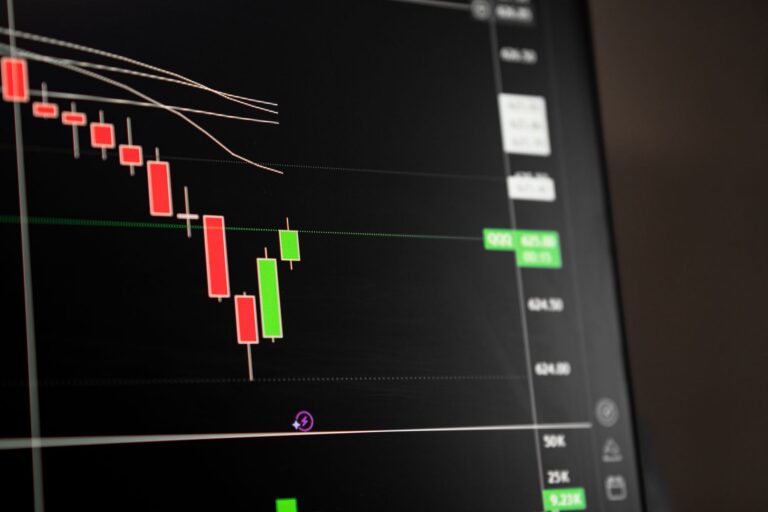

USD/JPY is sitting at 161.02 after a sharp 0.9% intraday drop, and that makes this USD JPY analysis very simple at the starting point: the market is testing whether 161.00 is real support or just a pool of stops waiting to be taken. The dollar is under pressure across the board, DXY is down 0.7% near 100.74, and the yen move is lining up with broad USD selling rather than some clean standalone yen strength story.
I don’t like chasing USD/JPY after it has already traveled into a clean round number. That is where impatient traders usually donate liquidity. The better read comes from what price does after the first attack on 161.00, because that reaction will tell us whether sellers have control or whether the move is turning into a trap.
Why Is USD/JPY Pressing 161.00 Today?
USD/JPY Trades Near 161.02 After A 0.9% Intraday Drop
USD/JPY is trading near 161.02, down 0.9% on the session. That is a meaningful intraday move for a major FX pair, especially with US 10-year yields barely moving near 4.469%. When the pair drops this hard without a major yield collapse, I pay close attention to positioning, liquidation, and dollar flow.
The move has pushed price directly into the 161.00 zone. Round numbers matter in FX because they attract resting orders. Some traders place stops just below them. Some place breakout entries there. Others use them as psychological reference points for risk. That makes 161.00 more than a visual level on the chart. It is a decision area.
For serious traders, the question is not whether 161.00 looks important. It does. The real question is whether the market accepts lower prices after testing it. Acceptance matters more than the first touch.
The Move Stands Out Among Non-Commodity FX Pairs
The yen move is not happening in isolation. EUR/USD is up 0.7% near 1.1451 and GBP/USD is up 0.7% near 1.3366. That tells me dollar weakness is the main driver across the G10 board. USD/JPY is simply expressing that pressure through a pair that had plenty of elevated dollar-long exposure to unwind.
Commodity-linked markets are giving a mixed read. WTI crude is down 1.6% near $67.47, while gold is up 1.3% around $4,135.70. Bitcoin and Ethereum are both sharply higher, with BTC up 5.2% and ETH up 6.0%. That combination does not give one clean macro narrative. It gives flow, positioning, and selective risk appetite.
That is why I’m leaning on broader market analysis instead of treating this as a one-pair story. USD/JPY is reacting to a full dollar reset.
161.00 Becomes The Immediate Yen Liquidity Magnet
From a smart money perspective, 161.00 is the obvious yen liquidity magnet. The pair is close enough that the market can raid the level without needing a major new catalyst. That is exactly the kind of area where short-term traders get forced into action.
There are three groups clustered around this zone: late sellers entering on breakdowns, prior longs defending stops, and algorithmic flow reacting to a clean figure. That mix can produce fast wicks and false continuation. A level this visible rarely breaks in a polite way.
My read: 161.00 is less about “support” and more about the market testing who is trapped. The next 30 to 80 pips matter more than the first push into the number.
Dollar Index Weakness Confirms Broad USD Pressure In This USD JPY Analysis
DXY Falls 0.7% To 100.74
The Dollar Index is down 0.7% at 100.74, confirming broad USD selling pressure. That matters because USD/JPY often gets misread as a pure yen story. Right now, the cleaner driver is dollar weakness. The yen may be benefiting, but the heavier hand is the dollar leg.
When DXY sells off while USD/JPY breaks lower, I treat the move with more respect than a yen-only spike. Dollar index weakness means EUR/USD, GBP/USD, and USD/JPY are all helping validate the same broad theme. That does not guarantee continuation, but it raises the quality of the bearish argument.
The Yen Move Is Part Of A Wider USD Slide
EUR/USD and GBP/USD both gaining 0.7% reinforces the point. Dollar selling is broad enough to matter. USD/JPY’s 0.9% decline is larger, but it is not detached from the rest of the board.
That distinction is important for trade planning. A yen-only rally can reverse quickly if risk appetite shifts or Japanese policy headlines fade. A dollar-wide selloff tends to create cleaner intraday continuation, especially when key USD pairs confirm each other.
Still, confirmation does not mean permission to chase. By the time USD/JPY is pressing 161.00, a lot of the easy downside has already happened. The professional move is to watch whether the dollar index stabilizes or continues bleeding below 100.74.
Dollar Positioning Drives The Setup
Dollar positioning is the center of the setup. Traders came into the session with a market still highly sensitive to the Federal Reserve, US labor data, and Treasury yields. A broad dollar selloff into a clean USD/JPY liquidity level creates a classic pressure point.
For readers who trade structure-based systems, this is the type of move worth comparing with SMC trading strategies. The cleanest setups usually come after one side of the market is forced to act. Right now, dollar longs are the side under pressure.
The danger is that a crowded downside trade becomes obvious. Once everyone sees 161.00, the market often needs to check below it before the real direction reveals itself.
What Does The Fed Rate Outlook Signal Now?
US 10-Year Yields Stay Nearly Flat Near 4.469%
The US 10-year Treasury yield is near 4.469%, down only 0.1%. That is a small move compared with the drop in USD/JPY. In a clean rates-driven selloff, I would expect yields to be falling harder. They are not.
That makes the current USD/JPY decline look more like a dollar positioning move than a pure rates impulse. It also means the pair could be vulnerable to a reversal if yields firm and DXY stops sliding. The rates market is not screaming panic. FX is doing the heavier lifting.
After years trading yen crosses, I’ve learned to respect that mismatch. USD/JPY can move first and ask the bond market to confirm later. But when the confirmation never comes, the move can become unstable fast.
Kevin Warsh Remarks Keep Fed Repricing In Focus
Fed uncertainty remains central. Market participants are still parsing the policy path, and recent coverage from MarketWatch highlighted investor attention on Fed Chair Warsh’s remarks and ADP data. That matters for USD/JPY because the pair remains highly sensitive to US policy expectations, even when the yield reaction is muted.
The Fed rate outlook is not clean enough to support a one-way dollar view. Rate-cut expectations can pressure the dollar, but any sign of sticky labor strength or cautious Fed language can slow that repricing. That creates a two-sided market around a heavily watched level.
Steadier ADP Data Complicates The Rate-Cut Narrative
Steadier ADP labor data complicates the easy bearish-dollar narrative. Traders want to price softer policy, but labor resilience makes that path less direct. That is why USD/JPY can fall hard on dollar selling yet still struggle to extend if US data keeps rate-cut expectations in check.
The clean bearish case needs more than a headline dip in DXY. It needs follow-through in the dollar, acceptance below 161.00, and ideally some pressure in yields. Without that, the pair may only be performing a liquidity raid before rotating back higher.
My opinion is blunt: the Fed story is still too mixed to justify blind directional conviction. Trade the levels. Let price prove the macro.
Smart Money Concepts: 161.00 Liquidity Sweep Scenario
Clean Round-Number Liquidity Sits Below Current Price
At 161.02, USD/JPY is basically sitting on top of the round number. From a Smart Money Concepts framework, that makes 161.00 the nearest obvious target for a stop-run. Stops below the figure can fuel a quick drop, but that first break is not automatically bearish.
The quality of the move matters. A clean break that expands lower and leaves price unable to reclaim 161.00 would show sellers pressing advantage. A sharp dip below the level followed by immediate rejection would tell a different story.
That is the part many retail traders miss. The break itself is only the event. The reaction is the information.
A Sweep Below 161.00 Could Expose Downside Inefficiency
A push below 161.00 could expose downside inefficiency if price accelerates after the stop pool gets tapped. In that case, sellers would look for displacement away from the level and weak rebounds back into supply. That would validate the bearish market structure.
The key is speed and acceptance. Strong selling below 161.00 would suggest that liquidity was not merely collected, but converted into continuation. That could open room for a deeper intraday leg, especially if DXY keeps sliding under 100.74.
But a wick through 161.00 with no follow-through is a warning. It would show that sellers found liquidity but failed to turn it into control.
Sellers Need Follow-Through To Validate The Breakdown
Sellers have the intraday momentum, but they still need confirmation. A valid breakdown should hold below 161.00, build lower highs, and reject attempts to recover the figure. Without that, the move remains vulnerable to a squeeze.
I would rather miss the first few pips than sell directly into a round-number grab. The cleaner short setup usually appears after the market breaks, retests, and shows that buyers cannot reclaim lost ground.
That patience is not glamorous. It is also the difference between trading market structure and reacting to a red candle.
Is 161.50 The Bear Trap Line For USD/JPY?
A Reclaim Above 161.50 Would Weaken The Bearish Case
161.50 is the line I would watch for bear trap risk. Price is currently at 161.02, so a move back above 161.50 would not be a distant fantasy. It would be a meaningful recapture of lost intraday ground.
A reclaim above 161.50 would weaken the bearish case because it would show buyers absorbing the 161.00 attack and forcing shorts to cover. That does not instantly flip the entire trend bullish, but it would change the intraday read.
For me, 161.50 is less about resistance and more about proof. Sellers should not want to see price back above it after attacking the lows.
Failed Breakdown Could Trigger Short-Covering
Failed breakdowns are fuel. When traders sell below a clean figure and price snaps back, their stops become the next source of liquidity. USD/JPY is especially dangerous in that environment because yen pairs can move fast once short-covering begins.
A failed push below 161.00 followed by strength through 161.50 would pressure late shorts. That sequence would also tell me the market used the round number to collect orders rather than begin a clean bearish expansion.
This is why I don’t treat 161.00 as a magic line. It is a zone of conflict. The winner is decided by the follow-through.
Prior Range Re-Entry Becomes The Upside Risk
Once price re-enters a prior intraday range after a failed breakdown, upside risk increases. Traders who sold the breakdown may be forced out, and sidelined buyers may step back in because the market has proven downside failure.
That does not mean USD/JPY needs to rip higher immediately. It means the bearish setup loses quality. The market can rotate back toward the middle of the prior range, especially if the Dollar Index stabilizes and yields hold firm near 4.469%.
For traders using market structure analysis, the key is simple: below 161.00 with acceptance favors sellers, while a recapture of 161.50 makes the short side much more fragile.
Mixed Risk Tone Makes Forex Market Structure More Important
Nasdaq Slips 0.7% While VIX Falls To 16.17
The broader risk backdrop is mixed. Nasdaq is down 0.7% near 26,040, while the S&P 500 is off 0.2% around 7,483 and the Dow is essentially flat near 52,305. At the same time, the VIX is lower by 2.5% at 16.17.
That combination matters. Equity weakness would usually lean risk-off, but a falling VIX says fear is not accelerating. Recent market coverage from Yahoo Finance described major indexes wavering after a record-setting session, which fits the uneven tone across assets.
For additional context on tech-led risk swings, the latest Nasdaq analysis on AI-related pressure is worth comparing against USD/JPY’s structure. Equity weakness alone is not giving a clean yen signal here.
Choppy Cross-Asset Signals Favor Liquidity Grabs
Mixed regimes often produce messy FX action. One market says caution, another says carry on. Oil is lower, gold is higher, crypto is strong, and volatility is softer. That is not a clean risk-on or risk-off map.
In that kind of tape, forex market structure becomes more valuable than headline interpretation. Traders should watch where stops are likely sitting, where price accepts, and where failed moves start to trap the wrong side.
USD/JPY at 161.02 gives a clean battlefield. The market does not need a perfect macro story to move. It only needs enough pressure to trigger the next pocket of orders.
Price Reaction Matters More Than Headline Direction
The next meaningful clue is the reaction around 161.00 and 161.50. A sustained break below the figure would keep sellers in control. A quick raid and recovery would warn that the downside move is losing quality.
I care less about the first headline and more about whether price confirms it. The market can sell the dollar on Fed uncertainty, then reverse if labor data or yield stability challenges the story. That is normal FX behavior, especially in USD/JPY.
For now, the pair is pressing the most obvious level on the board. Let the market show whether 161.00 is a floor, a trapdoor, or just bait.
FAQ
Why is USD/JPY falling today?
USD/JPY is down because the move aligns with broad dollar weakness, not an isolated yen surge. The Dollar Index is lower near 100.74, while US 10-year yields are almost flat near 4.469%. That points to dollar positioning, Fed repricing, and liquidity-driven flow pressuring the pair.
What does the 161.00 level mean for USD/JPY?
From a smart money concepts perspective, 161.00 is a nearby liquidity magnet because it is a clean round number below current price. Stops, breakout orders, and short-term positioning can cluster there. A sweep below it would matter most if sellers hold control afterward.
How does the Fed rate outlook affect USD/JPY?
Fed uncertainty matters because USD/JPY remains sensitive to expectations for future US policy, even when yields are not moving sharply. Kevin Warsh headlines and steadier ADP data complicate the rate-cut narrative, leaving the dollar vulnerable to repricing when positioning is stretched.
What would signal a USD/JPY bear trap?
A bear trap warning would appear if USD/JPY sweeps below 161.00, fails to extend lower, and then reclaims 161.50 with momentum. That sequence would suggest sellers attacked liquidity but could not maintain control, opening the door to short-covering back into the prior range.
Why does mixed risk tone matter for this USD/JPY analysis?
Risk tone is mixed: Nasdaq weakness shows equity pressure, but a lower VIX near 16.17 suggests fear is not accelerating. In that environment, USD/JPY may react more to forex market structure, stop runs, and dollar flows than to a single risk-on or risk-off signal.
The next move depends on whether 161.00 turns into accepted downside or rejected liquidity. I’m watching the reaction, not guessing the headline. What are you seeing on your USD/JPY chart?
Disclaimer: This article is for educational purposes only and is not financial advice. Trade with a plan and manage risk carefully.