
Gold is trading at $4,122.70, up 1.0% on the session, and my gold price analysis starts with a simple conflict: geopolitical fear is bidding XAU/USD, while the 10-year Treasury yield at 4.573% is still too high for bulls to get lazy. Iran risk can lift haven demand fast. Fed minutes can reverse that move just as fast.
The market is mixed rather than euphoric. DXY is flat near 101.01, VIX is lower at 16.80, crude is firm at $73.93, and equities are split. That combination tells me gold is being bought for a specific reason, not because every macro input has turned bullish at once.
Gold Price Analysis Snapshot Near $4,123
XAU/USD Trading At $4,122.70, Up 1.0% On The Session
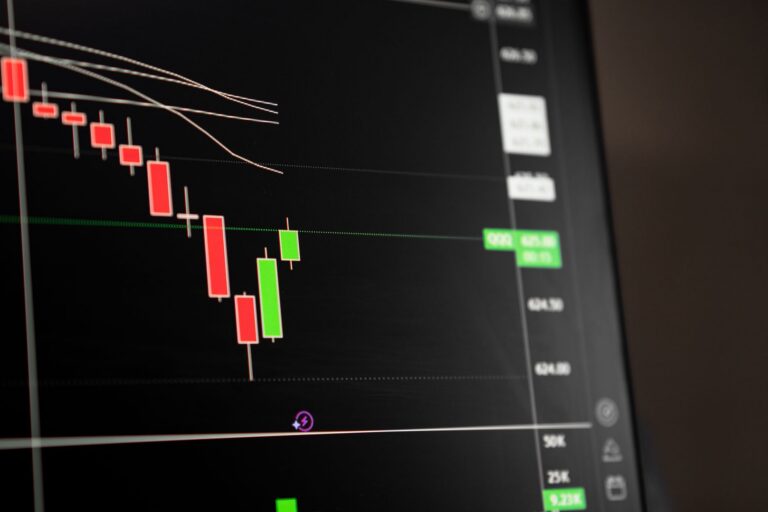
XAU/USD is sitting near $4,122.70 after a 1.0% advance, which puts the $4,123 zone in focus as the immediate reference point. I’m treating that area as a live decision zone, not confirmed support. There’s a difference.
When gold trades this close to a round reference, retail traders love to anchor to the number. Smart money usually cares more about how price behaves around it. Does price accept above it? Does it wick through nearby highs and fail? Does the next pullback hold structure, or does the move unwind after the first burst of headline demand?
For traders who use SMC trading strategies, the question is not whether gold is “bullish” because the candle is green. The question is whether that green candle created usable displacement and whether any later retracement respects the imbalance left behind.
Strongest Non-Index Mover As Haven Demand Builds
Gold is one of the cleaner movers on the board right now. WTI crude is up 0.6% at $73.93, Bitcoin is up 1.1% at $62,584, and Nasdaq is slightly positive, but gold’s move has a more direct macro driver. Traders are paying attention to Iran risk, oil flow concerns, and the Fed minutes.
That matters because gold can rally during stress even when other risk indicators stay calm. It is liquid, global, and easy to express as a hedge. I’ve seen plenty of sessions where gold moves first and the broader risk complex only catches up later, or doesn’t catch up at all.
Why The Candle Alone Does Not Confirm Bullish Continuation
A 1.0% gain looks convincing on a screen. It does not prove continuation by itself. Gold can print a strong candle into buy-side liquidity, trap late longs, and rotate lower once the macro catalyst is absorbed.
My clear opinion: chasing gold after a headline-driven spike near a live reference is usually poor trade location. The better trade often comes after the first emotional move, when the market reveals whether institutions are absorbing offers or distributing into late demand.
My read: bulls have the initiative while XAU/USD holds acceptance around $4,123, but elevated yields mean the rally still needs confirmation through structure, not hope.
Why Is Gold Rising If Treasury Yields Are Elevated?
U.S.-Iran Escalation Risk Is Driving Haven Demand
The main bullish impulse is geopolitical. Reuters reported that gold was wavering as investors weighed U.S.-Iran tensions while awaiting Fed minutes, a fair description of the current two-sided setup: haven demand on one side, rate pressure on the other. You can read the Reuters coverage here: gold investors weigh U.S.-Iran tensions and Fed minutes.
In this environment, the iran tensions gold link is straightforward. Higher geopolitical risk increases demand for assets that are not tied to a single government’s credit risk or a single company’s earnings stream. Gold fits that role. The harder part is deciding whether the flow is durable or merely a short-term hedge.
10-Year Treasury Yields At 4.573% Remain The Main Upside Restraint
The 10-year Treasury yield at 4.573% is the biggest reason I’m not treating this move as a clean breakout. High treasury yields raise the opportunity cost of holding gold, especially when real-rate expectations are firm. Gold does not pay interest. That becomes a problem when cash and bonds offer meaningful yield.
Still, markets are rarely one-factor machines. Gold can rise with yields when geopolitical stress is high enough, when inflation hedging returns, or when traders doubt the stability of the broader macro path. That appears to be the tension here.
For broader cross-market context, I’d also watch how yield pressure is affecting equity leadership. The same rate sensitivity showing up in gold can hit tech indices differently, which is why our Nasdaq Composite analysis on yields pressure is useful alongside this XAU/USD read.
Higher Real-Rate Pressure Can Cap Impulsive XAU/USD Rallies
Gold bulls do not want a rally that depends only on fear while real rates remain sticky. That setup can work for a while, but it often produces sharp, uneven price action. Strong upside candles get faded. Breakouts fail after clearing obvious highs. Fair value gaps form, then price quickly trades back through them.
The best bullish version is simple: gold accepts around $4,123, pulls back without breaking internal structure, and then expands again after the market digests the Fed minutes. The weaker version is a stop-run above nearby liquidity followed by a heavy rejection while yields stay elevated.
How Do Fed Minutes Shape The XAU/USD Forecast?
Fed Minutes Gold Reaction Depends On The Rates Path
The xau usd forecast hinges on how traders interpret the Fed minutes. The first candle after the release can be noisy. Algorithms react to keywords, bond traders adjust rate expectations, and metals traders reposition around real yields. That first move is often the least trustworthy part of the whole event.
The fed minutes gold reaction should be judged through the rates path. Language that points toward slower tightening, softer inflation pressure, or growing concern about growth can help gold by easing yield pressure. Language that keeps inflation risk front and center can do the opposite.
Dovish Signals Could Ease Yield Pressure
A dovish interpretation would likely reduce some pressure from the 10-year yield and give XAU/USD more room to hold above the $4,123 reference. Bulls would then want to see controlled pullbacks rather than vertical chasing. Clean continuation usually shows up as acceptance, compression, then expansion.
That does not mean every dip is a buy. It means the market would have a better macro excuse to defend bullish structure. In practical terms, I’d want to see price hold value after the event rather than rely on one emotional spike.
Hawkish Inflation Language Could Trigger A Liquidity Raid And Rejection
Hawkish language around inflation would make the setup more dangerous for late longs. Kitco’s coverage has also highlighted the interaction between Fed minutes, Hormuz-related oil concerns, and yields, which is the exact mix traders need to respect here: Fed minutes, Hormuz oil risk, and gold’s yield pressure.
A hawkish read could lift yields, pressure metals, and turn the $4,123 area into a trap rather than a base. The ugly version for bulls would be a buy-side liquidity grab above nearby highs, followed by displacement lower and a failed reclaim. That sequence would tell me the market used the headline bid to find sell-side inventory.
Iran Tensions, WTI Crude, And Inflation Risk
Iran Tensions Gold Bid Supported By Hormuz Headlines
The Strait of Hormuz matters because energy flow risk feeds directly into inflation expectations. OilPrice reported on Hormuz tanker traffic concerns after U.S.-Iran escalation, adding another layer to the current commodity bid: Hormuz tanker traffic concerns after U.S.-Iran escalation.
Gold traders should care because the market can price two things at once: haven demand from geopolitical uncertainty and inflation risk from oil disruption. Those forces can both support gold initially, but they can also complicate the Fed reaction.
WTI Crude At $73.93, Up 0.6%, Keeps Commodities Firm
WTI crude at $73.93, up 0.6%, is firm enough to support the commodity complex without signaling outright panic. That is a useful nuance. Oil is bid, gold is bid, but VIX is down and DXY is flat. This is a selective haven and commodity move, not a broad liquidation across risk assets.
For gold, crude strength helps explain why traders are interested in protection. Energy inflation can squeeze consumers, alter central bank expectations, and reprice growth assumptions. Gold does not need all of those channels to fire at once. It only needs enough uncertainty to keep buyers active.
Oil Strength Complicates The Fed Narrative Through Inflation Risk
Oil strength creates a difficult policy read. A central bank facing higher energy prices may sound cautious on inflation even if growth risks are building. That is exactly why the Fed minutes matter so much for gold.
For XAU/USD, the best bullish macro mix would be geopolitical risk plus easing yield pressure. The more conflicted mix is geopolitical risk plus sticky inflation language. That second combination can create violent two-way trade, especially when gold is already up 1.0% and sitting near a watched level.
What Do DXY And VIX Say About Haven Demand?
DXY Flat Near 101.01 Signals The Move Is Not Broad Dollar Weakness
DXY is flat near 101.01, which means gold’s current bid is not being driven by a broad dollar selloff. EUR/USD is only slightly higher at 1.1424, GBP/USD is basically flat at 1.3385, and USD/JPY is just lower at 162.44. That currency backdrop does not scream dollar capitulation.
This matters because gold rallies supported by dollar weakness and falling yields tend to have cleaner follow-through. A gold rally without dollar weakness can still work, but it needs stronger support from haven demand or positioning.
USD/JPY is worth monitoring here because it reflects the tension between dollar rates and safe-haven behavior. Our USD/JPY liquidity analysis adds useful context for traders watching dollar pairs alongside metals.
VIX At 16.80, Down 0.6%, Argues Against Panic Buying
VIX at 16.80, down 0.6%, argues against panic. That is important. Panic buying in gold usually comes with broader volatility expansion, equity stress, and urgent hedging. Right now, the S&P 500 is down 0.3%, Nasdaq is up 0.2%, and the Dow is weaker by 1.1%. Mixed, not chaotic.
That makes me cautious about overstating the haven bid. Gold is being bought, but the volatility market is not confirming a full risk-off event. Serious traders should respect the move without romanticizing it.
Gold Bulls Need Confirmation Rather Than Momentum Chasing
When DXY is flat, VIX is lower, and yields are elevated, gold bulls need market structure to confirm the story. Momentum alone is not enough. The cleaner bullish read would involve acceptance near $4,123, a contained retracement, and renewed displacement after the Fed minutes.
For ongoing updates across metals, indices, FX, and crypto, I’d keep an eye on more market analysis, because this gold setup is tied directly to rates, oil, and cross-asset risk appetite.
Smart Money Concepts Setup After Fed Minutes
Watch Acceptance Around The $4,123 Area
The $4,123 area is the main battleground because spot gold is trading almost exactly there at $4,122.70. Acceptance above that zone after the Fed minutes would show buyers are willing to hold value, not just react to headlines.
I’d define acceptance through behavior: repeated closes near the upper part of the range, shallow pullbacks, and quick defense after attempts to push lower. A single wick does not qualify. A brief spike followed by heavy selling is usually distribution, especially when late traders pile in after a headline.
Avoid Chasing Without A Liquidity Sweep Or Fair Value Gap Reclaim
The Smart Money Concepts playbook here is patient. Traders should wait for a stop-run, displacement, and fair value gap recapture before calling continuation. That sequence shows the market has taken liquidity, repriced, and then defended the imbalance.
For a bullish setup, I want to see price run nearby sell-side liquidity on a pullback, expand back above the broken micro-structure, and then hold the reclaimed gap. That gives a defined invalidation point. Without that, traders are just buying a green candle into macro risk.
- Bullish confirmation: acceptance around $4,123, controlled pullback, and expansion after the Fed minutes.
- Bearish warning: buy-side raid, fast rejection, and failure to reclaim the broken structure.
- No-trade condition: choppy trade around the reference level while yields stay firm and volume dries up.
Buy-Side Liquidity Raid And Rejection Would Challenge Bulls
A raid above nearby buy-side liquidity followed by rejection would be the clearest warning sign. That type of move often pulls in breakout buyers, fills larger sell interest, and then leaves late longs trapped above value.
If gold fails to hold the $4,123 area after the Fed minutes and starts accepting below the post-release range, I would expect bulls to step back. The market would then need a fresh reclaim before the upside case becomes attractive again. Until then, the burden of proof sits with buyers.
The forward-looking takeaway is simple: gold has a reason to be bid, but the setup is not free money while 10-year yields sit at 4.573%. Are you waiting for confirmation around $4,123, or are you willing to chase the headline move?
FAQ
Why is gold up today?
Gold is up because traders are pricing haven demand from potential U.S.-Iran escalation while awaiting Fed minutes. The move is not mainly dollar-driven, with DXY flat near 101.01. However, the 10-year yield at 4.573% keeps upside vulnerable unless liquidity confirms continuation.
How do Fed minutes affect gold?
Fed minutes affect gold by shaping expectations for real rates and policy timing. Dovish language can reduce yield pressure and support XAU/USD, while hawkish inflation concerns may lift Treasury yields. For this setup, confirmation matters more than the first reaction candle.
Are Iran tensions bullish for gold?
Iran tensions are generally bullish for gold because geopolitical risk increases demand for liquid havens. The added WTI crude bid near $73.93 also keeps inflation risk in focus. Still, subdued VIX near 16.80 suggests this is not panic buying, so chasing is risky.
What level matters for XAU/USD now?
The key reference is acceptance around the $4,123 area because spot gold is trading near $4,122.70. Traders should watch whether price holds value there, sweeps nearby buy-side liquidity, or rejects after Fed minutes. The level is a live reference, not confirmed support.
What is the SMC trading plan for gold?
An SMC plan would wait for a liquidity sweep, displacement, and fair value gap reclaim before considering continuation. If gold raids buy-side liquidity and rejects after the Fed minutes, bulls may lose control. Elevated yields mean clean confirmation is required.
Disclaimer: This analysis is for educational purposes only and is not financial advice. Trade with a defined plan and manage risk carefully.