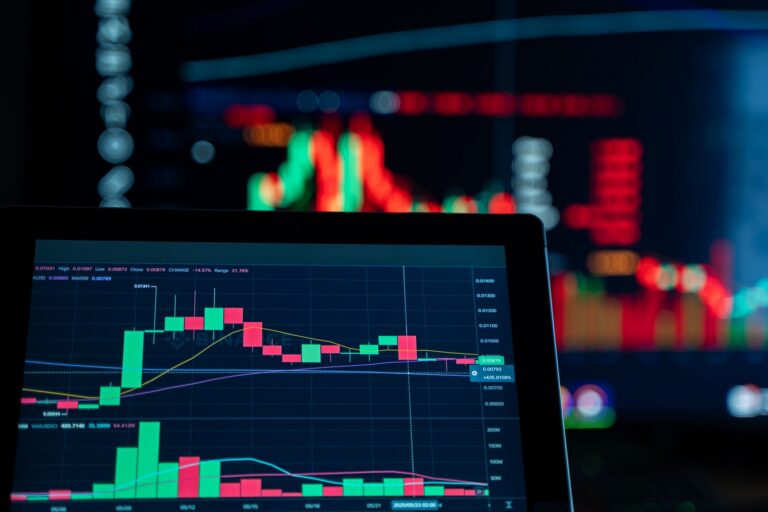
WTI is trading at $103.63, down 2.1% intraday, and that red candle matters because it is landing directly into the $103.00 to $103.60 area where I would expect stops, late sellers, and responsive buyers to collide. This WTI crude oil analysis is simple at the headline level: crude is the strongest allowed mover on my board, but the market has not confirmed a full breakdown yet.
The Fed decision is the timing risk. The liquidity shelf is the location. The $104.50 level is the line that would tell me whether sellers are actually taking control or whether the move is another stop-run into pre-event liquidity.
WTI Price Today: 2.1% Slide Toward the $103 Shelf
WTI is trading at $103.63, down 2.1% intraday
WTI price today is $103.63, lower by 2.1% on the session. That puts crude under pressure while broader risk is mixed: the S&P 500 is down 0.4%, Nasdaq is down 0.8%, Bitcoin is lower by 1.4%, and Ethereum is off 3.0%. Gold is the exception, trading higher at $4,388.40, up 1.3%, which tells me defensive demand is still alive even as volatility is not exploding.
The move in oil is sharp enough to respect, but not clean enough to chase blindly. Price is sitting near a known decision zone rather than free-falling through open air. When crude sells into an obvious shelf ahead of a Fed decision, I want to see what happens after the first flush. Does price accept below the shelf, or does it get snapped back above the breakdown point?
Crude is the strongest allowed mover as premium gets tested
Among the major assets on the snapshot, WTI has one of the cleanest directional moves. That usually attracts attention from momentum traders. It also attracts smart money games, especially when the move runs straight into a visible liquidity band.
Oil has carried a premium, and today’s drop is testing whether that premium has real institutional support underneath it. I covered the prior rejection dynamic in WTI Crude Oil Rejects $100 on Demand Downgrades, and the same lesson applies here: oil levels matter less as isolated numbers and more as inventory zones. A level that looks broken on the first pass can become a trap when liquidity is thin before a major macro event.
The drop is probing whether premium becomes sell-side liquidity
The key question is whether prior bullish premium now converts into sell-side liquidity. That means traders who bought late, trailed stops too tightly, or assumed crude would keep grinding higher may now have protective orders sitting under the nearby shelf.
From a Smart Money Concepts perspective, the first job of price is often to find liquidity. Direction comes after. A selloff into $103.00 to $103.60 can be real distribution, or it can be the market harvesting stops before repricing higher. I have seen this pattern often enough across crude and FX to avoid treating the first red candle as the final verdict.
Why Is WTI Sliding Before the Fed Decision?
Markets are stabilizing, but the US 10Y yield remains elevated near 4.975%
The macro backdrop is mixed, not outright risk-off. The VIX is down 2.7% at 16.73, which says traders are not aggressively paying up for protection across equities. At the same time, the US 10-year Treasury yield is still elevated near 4.975%. That is not a friendly backdrop for speculative duration, and it can pressure commodities when the dollar stays firm.
MarketWatch noted the 10-year Treasury yield moving around the 5% mark as the Fed meeting began, which is the right context for today’s oil tape. Even with the live yield sitting just under that level now, the message is unchanged: real rates and policy expectations remain heavy enough to matter.
DXY around 99.70 creates a modest dollar headwind
The US Dollar Index is trading near 99.70, up 0.1%. That is not a violent dollar rally, but it is firm enough to create friction for oil bulls. Since crude is priced in dollars, a steadier greenback can make upside continuation harder, especially when positioning has already leaned into the energy premium.
Reuters reported that dollar strength, oil gains, yields, and Fed hike expectations were all feeding into the same macro discussion. That is exactly why I do not analyze crude in isolation on Fed day. Oil can have a strong supply-demand story and still get shoved around by rates, currency flows, and event-risk hedging.
Fed decision oil risk is about confirmation, not impulse
Fed decision oil risk is not about guessing the first spike after the statement. The first move after policy headlines is often noise. The real information comes from acceptance: where price holds, where it fails, and which side gets trapped after the volatility burst.
Yahoo Finance framed equities as trading ahead of a crucial Fed interest rate decision, and crude belongs in that same pre-event bucket. My opinion is blunt: traders who try to front-run the Fed with oversized oil positions are usually trading emotion, not structure.
WTI Crude Oil Analysis Around the Immediate Liquidity Shelf
$103.00 to $103.60 is the active crude oil liquidity shelf
The immediate crude oil liquidity shelf sits between $103.00 and $103.60. With WTI at $103.63, price is basically parked on the upper edge of that band. That makes the next reaction important.
Inside that zone, I expect three groups to be active: trapped longs defending entries, breakout shorts trying to press the candle, and larger players watching whether forced selling appears. That is why shelves like this can produce ugly, two-way price action before a cleaner move develops.
For readers building a formal framework around these setups, the SMC trading strategies section has more context on liquidity mapping, stop placement, and structure-based confirmation. The core idea is straightforward: price tends to move from one liquidity pool to the next, but the path is rarely clean.
A clean failure exposes $102.00 to $101.50 sell-side liquidity
If WTI accepts below $103.00, the next downside magnet becomes $102.00 to $101.50. That area is close enough to matter on an intraday basis and far enough away to punish late buyers who assumed the shelf would hold automatically.
A clean failure would require more than a wick. I want to see candles closing below the shelf, weak retests, and sellers defending the underside. Without that sequence, a brief dip under $103.00 can still be a stop-run rather than a confirmed breakdown.
Holding near $103.60 would suggest absorption is in play
Holding near $103.60 changes the tone. That would mean the selloff found supply, but not enough follow-through to expand lower. In SMC language, I would start watching for absorption: aggressive sellers hitting bids while price refuses to continue down.
Absorption does not mean instant upside. It means sellers may be spending energy without getting paid in distance. When that happens near a known shelf, the next bounce can reveal whether buyers are quietly reloading or whether the market is simply pausing before the next leg lower.
Oil Market Structure: Distribution or Reloading?
Lower highs under $104.50 would point toward distribution
Oil market structure now centers on $104.50. That level is the near-term reclaim line for me. Below it, bounces can remain corrective, especially when lower highs begin stacking beneath the same resistance.
Distribution would look like this: crude bounces from the shelf, fails to reclaim $104.50, then rolls over with heavier selling back into $103.00. That would show institutions using strength to unload inventory rather than defending higher prices. I would also expect weaker candles to show up near the midpoint of the selloff, with buyers unable to generate displacement through resistance.
A downside rejection and structure recapture would frame the drop as a sweep
If price raids the shelf, rejects the lows, and then recaptures $104.50, the red candle starts to look very different. The move would be better read as a liquidity grab rather than a clean bearish shift.
That matters because a sweep often creates fuel. Shorts who sold the breakdown are forced to reassess. Late longs who were stopped out are no longer part of the position base. Fresh buyers can enter against a clearer invalidation point. That is the kind of reset smart money likes.
Mixed macro conditions argue for patience
The macro picture is not giving oil traders a simple green light or red light. Equities are soft, but not crashing. The dollar is firm, but not ripping. Yields are elevated, while volatility is lower. That combination argues for patience before labeling the pullback as fully bearish or bullish.
For cross-market context, the pressure from energy can also spill into index sentiment, which I discussed in Dow Jones Analysis: Fragile Bounce Faces Oil Shock. Crude is not just another commodity on days like this. It can influence inflation expectations, rate pricing, and equity sector rotation all at once.
What Would Confirm the Bullish Reclaim Scenario?
A move above $104.50 would suggest the red candle swept liquidity
A reclaim above $104.50 is the bullish trigger I care about. Again, not a single wick. I want acceptance above the level, preferably with a retest that holds and keeps sellers from pushing price straight back into the shelf.
That kind of move would tell me the intraday drop likely served a liquidity function. Price would have traded into stops near $103.00 to $103.60, failed to extend, then recovered the structure that mattered. In that scenario, crude bulls regain a stronger hand.
$105.50 to $106.50 becomes the next premium zone
Above $104.50, the next premium zone sits around $105.50 to $106.50. That is where I would expect profit-taking from short-term longs and possible supply from sellers who missed the first breakdown attempt.
This is not a price target promise. It is a logical reaction zone based on the current location of price and the structure above spot. Traders should treat that band as an area to manage risk, not as a guaranteed destination.
Bulls need acceptance, not a wick
Acceptance is the difference between a tradeable reclaim and a headline fakeout. A wick above $104.50 can trap impatient longs. A close and hold above that region says buyers are willing to transact at higher prices after the liquidity raid.
That distinction is especially important on Fed day. Policy volatility can create violent candles that look meaningful for five minutes and irrelevant an hour later. Serious traders should slow down and let the market show whether $104.50 becomes support or remains overhead supply.
Trading Lesson: Do Not Chase the First Red Candle
Wait for structure around $103.60 before reacting
The trading lesson here is basic, but most traders still violate it: do not chase the first red candle into a known liquidity area. WTI at $103.63 is too close to the $103.00 to $103.60 shelf to treat downside continuation as automatic.
Good trading is often uncomfortable because the best information comes after the easy impulse has already happened. A trader who waits for structure may miss the first slice lower, but they also avoid shorting directly into responsive demand. That tradeoff is worth it.
A fast drop into liquidity can be institutional reloading
A fast drop can be bearish continuation, but it can also be institutional reloading. The difference shows up in reaction. Heavy selling that produces little downside progress near a shelf is information. So is a weak bounce that cannot reclaim structure.
In my experience, crude is one of the worst markets for traders who need immediate emotional confirmation. It can look broken, rip back through the breakdown point, then spend the next hour punishing everyone who reacted too late. That is why I prefer mapping the zones first and trading the response second.
Plan around sweep, reclaim, failure, or continuation
The plan from here is clear. A sustained hold around $103.60 keeps absorption on the table. A failure under $103.00 opens $102.00 to $101.50 as the next sell-side pool. A reclaim above $104.50 shifts the read toward a stop-run and puts $105.50 to $106.50 back in play as the next premium reaction area.
For broader daily coverage, I’d keep an eye on more market analysis, especially while yields, the dollar, and commodities are moving together. Crude is giving a clean setup, but the Fed can distort clean setups quickly.
FAQ
What is WTI price today?
WTI is trading at $103.63, down 2.1% intraday. That makes crude one of the strongest movers on the board today, but price is still hovering just above the $103.00 to $103.60 liquidity shelf rather than confirming a clean breakdown. That threshold matters into the Fed decision.
Why does the Fed decision matter for oil?
The Fed decision matters because rates, yields, and the dollar affect risk appetite and commodity pricing. With the US 10-year yield near 4.975% and DXY around 99.70, oil bulls face a modest macro headwind instead of a clean risk-on backdrop.
What is the crude oil liquidity shelf in this setup?
In this setup, the crude oil liquidity shelf is the $103.00 to $103.60 zone where resting sell stops, late shorts, and responsive buyers may cluster. A sustained failure there could open the path toward $102.00 to $101.50 sell-side liquidity as institutions test demand during Fed-day repricing.
What would turn this WTI setup bullish again?
A reclaim above $104.50 would suggest the intraday drop may have been a liquidity sweep rather than outright distribution. Buyers then need to hold that reclaim. After that, $105.50 to $106.50 becomes the next premium zone where longs should watch for profit-taking or another liquidity reaction.
Should traders short the first red candle in WTI?
No. The trading lesson is to avoid chasing the first red candle into a known liquidity area. Wait for structure around $103.60, because that reaction can reveal whether institutions are distributing inventory or reloading longs before the Fed decision hits.
My forward-looking takeaway: WTI is bearish below $104.50 on the intraday tape, but the real decision sits at $103.00 to $103.60. Do sellers finally break that shelf, or does crude trap them before the Fed volatility hits?
Disclaimer: This article is for educational and informational purposes only and is not financial advice. Trading commodities, forex, crypto, and indices involves risk, and you should make decisions based on your own plan and risk tolerance.