Gold is trading at $3,884.90, down 3.6%, and that is the cleanest stress signal on my screen. This gold price analysis starts with a simple problem for bulls: XAU/USD is selling off while the broader tape is clearly risk-off. The S&P 500 is down 1.8%, the Nasdaq is off 2.9%, and the VIX has jumped 12.9% to 19.42. That should usually help safe-haven demand. It isn’t helping enough.
The reason is rates. The Federal Reserve held policy steady, but the message was not soft. Reports of two officials preferring a hike kept the market focused on inflation sensitivity, while the US 10-year Treasury yield sits near 4.933%. That is still restrictive. For gold, which pays no yield, that matters more than the fear bid right now.
Why Is Gold Dumping Despite A Risk-Off Tape?
XAU/USD trades at $3,884.90, down 3.6% intraday, making gold the strongest allowed mover today
XAU/USD at $3,884.90 is not a minor pullback. A 3.6% intraday drop in gold is a serious repricing, especially when equities are also under pressure. In my view, this is the kind of move that forces traders to separate narrative from execution. The narrative says fear should lift gold. The tape says sellers are in control until proven otherwise.
Gold is acting as the strongest allowed mover in the supplied market snapshot, and that matters because the move is not isolated to one corner of the market. Oil is up, equities are lower, volatility is higher, and crypto is barely positive. Cross-asset conditions are unstable, but XAU/USD is the asset taking the hardest hit.
For broader context across markets, I’d keep an eye on our more market analysis section because this is not just a metals story. It is a rates, risk, and liquidity story.
VIX jumps 12.9% to 19.42, showing the move is not a simple calm-market rotation
The VIX at 19.42, up 12.9%, confirms the market is not casually rotating out of defensive assets. Volatility is being repriced. That makes the gold decline more interesting, and more dangerous for traders who assume “risk-off equals buy gold.” Markets don’t pay for assumptions.
A rising VIX with falling gold tells me that the market is choosing liquidity, yield, and policy sensitivity over the classic haven playbook. That does happen. I’ve seen plenty of sessions where gold behaves less like a fear hedge and more like a duration-sensitive asset. When real-rate pressure dominates, the safe-haven bid can get buried.
S&P 500 falls 1.8% and Nasdaq drops 2.9%, confirming broad defensive pressure
The S&P 500 at 7,580 is down 1.8%, while the Nasdaq Composite at 25,437 is down 2.9%. That is broad defensive pressure, with growth and long-duration equities taking the heavier hit. A tech-led drawdown can tighten financial conditions quickly because it hits wealth, sentiment, and margin behavior at the same time.
There is also a wider backdrop of pressure in high-multiple equities. InvestmentWeek recently covered how investor fears hit the tech-heavy Nasdaq in October, and that theme lines up with the current tape where risk assets are losing altitude while yields remain restrictive: tech-heavy Nasdaq pressure.
For traders tracking the equity side of this risk-off move, the recent Nasdaq analysis on the VIX spike is a useful companion read. Gold is not moving in a vacuum.
How Did The Fed Hold Turn Hawkish For Gold?
The Fed held rates, but two officials reportedly preferred a hike
The Fed holding rates would normally give gold bulls something to work with. The problem is the detail. The supplied market summary notes that the Fed held policy steady while two officials reportedly preferred a hike, keeping inflation sensitivity elevated: Fed hold with hawkish dissent.
That changes the read. A hold with clear dovish guidance is one thing. A hold with hawkish dissent is another. Gold bulls needed a clean easing signal, or at least softer language around inflation and growth. Instead, the market received a reminder that the Fed is not ready to declare victory.
Policy tone remains inflation-sensitive rather than clearly dovish
The Fed’s tone still revolves around inflation risk. That is the key transmission channel into gold. When policymakers sound inflation-sensitive, the market tends to keep a higher floor under real yields. Even when nominal yields dip on the session, traders hesitate to aggressively price a lower-rate path.
That is exactly why gold can fall during a defensive equity session. Safe-haven demand competes against the expected return on cash and Treasuries. When the policy regime is restrictive, gold has to work harder for every bid.
Hawkish Fed messaging keeps real-rate pressure alive for non-yielding gold
Gold does not pay interest. That sounds basic, but it is the core of the current setup. With Fed rates still restrictive and policymakers reluctant to sound dovish, the opportunity cost of holding XAU/USD remains high.
My opinion is straightforward: gold bulls don’t need the Fed to cut immediately, but they do need the market to believe the next meaningful policy impulse is easier. Right now, that belief is shaky. The two hawkish dissents make it harder for traders to treat this hold as the start of a friendlier macro regime.
Treasury Yields Keep Real-Rate Pressure On XAU/USD
US 10-year yield trades near 4.933%, down 1.1% on the session but still historically restrictive
The US 10-year Treasury yield is near 4.933%, down 1.1% on the session. The decline matters, but the level matters more. Near-5% long-end yields are still restrictive for gold, especially when inflation expectations and Fed messaging remain uncomfortable.
Some traders make the mistake of looking only at the daily change in yields. A lower yield on the session should support gold, they argue. Sometimes, yes. But when the absolute yield is still high, XAU/USD can remain under pressure because the broader real-rate environment has not actually turned friendly.
Near-5% Treasury yields raise the opportunity cost of holding gold
Near-5% Treasury yields force portfolio allocators to ask a brutal question: why hold a non-yielding asset when cash and government paper still pay? That does not mean gold has no role. It means the hurdle is higher.
The supplied weekly market outlook also referenced US real yield pressure as an active market factor, alongside a largely flat dollar backdrop and event-driven macro conditions: weekly macro outlook. That lines up with the current XAU/USD move. Rates are doing the damage.
Energy risk adds another layer. WTI crude is trading at $102.95, up 0.9%, and higher energy costs can keep inflation anxiety alive. For a deeper look at that cross-market pressure, see our WTI crude analysis on sanctions premium and risk-off conditions.
Gold weakness looks more tied to rates and real yields than a classic dollar squeeze
This selloff does not look like a classic dollar squeeze. The dollar is barely moving. That makes the rates channel more important. Gold is being repriced because the market is wrestling with restrictive yields, hawkish Fed risk, and liquidity demand.
That distinction matters for trade planning. A dollar-led gold selloff often needs confirmation from broad USD strength across EUR/USD, GBP/USD, and USD/JPY. Here, those pairs are quiet. EUR/USD is flat near 1.1158, GBP/USD is up 0.1% near 1.3391, and USD/JPY is down 0.1% near 157.53. The FX board is not screaming dollar panic.
Is The Dollar Driving Today’s Gold Selloff?
DXY is nearly flat at 101.96, down 0.1% on the session
The US Dollar Index is at 101.96, down 0.1%. That is a muted move. For this gold price analysis, the flat DXY is one of the most useful details because it pushes the focus away from a simple USD explanation.
Gold can absolutely fall when the dollar is stable. It can fall because yields are high. It can fall because leveraged longs are being forced out. It can fall because the market is demanding liquidity and selling what it can. The key is not to overfit the DXY chart when the rates market is carrying the signal.
A muted dollar move suggests XAU/USD weakness is not being driven by a major USD spike
A major USD spike would make the gold selloff easier to explain. That is not what we have. DXY is soft by 0.1%, and yet XAU/USD is down 3.6%. That spread between dollar behavior and gold behavior is the tell.
Traders should avoid lazy correlation trades here. The gold-dollar relationship matters, but it is not the whole model. In sessions like this, I care more about yield levels, Fed communication, volatility, and the quality of price action around prior liquidity pools.
Traders should weigh Fed rates, Treasury yields, and liquidity conditions more heavily than FX beta
The dollar is a supporting character in this tape. The lead roles are Fed rates, Treasury yields, and liquidity. When those three line up against gold, XAU/USD can sell off even while the broader market is nervous.
This is also where positioning can amplify the move. A crowded long side does not need a dollar surge to unwind. It needs a catalyst, a break of structure, and enough downside momentum to trigger risk reduction.
Can Safe-Haven Demand Survive Hawkish Fed Messaging?
Risk-off trading is present, but safe-haven demand is being challenged by restrictive yields
Risk-off trading is clearly present. Equities are lower, VIX is higher, and the tone across the tape is defensive. Still, safe-haven demand is not winning the fight in gold.
That is the central lesson of this session. Gold is a haven, but it is also a macro asset. When the Fed sounds hawkish and Treasury yields remain near 5%, the haven bid can weaken quickly. Fear alone is not always enough.
Gold must compete with cash and Treasuries when real yields remain elevated
Cash and Treasuries are real competitors for gold when yields are elevated. Traders sometimes treat gold like it exists outside the yield curve. It doesn’t. XAU/USD lives inside the same macro plumbing as equities, bonds, FX, and commodities.
That is why the $3,884.90 spot level matters. The market is marking gold down right now, not in theory. Bulls need evidence that buyers are willing to defend price despite the rate backdrop. Without that evidence, a falling knife remains a falling knife.
A deeper risk shock could revive haven demand, but today’s tape shows that fear alone is not enough
A deeper risk shock could revive gold’s haven demand. A more violent equity selloff, a credit scare, or a sudden geopolitical escalation could change the balance. But the current tape is saying something specific: ordinary risk-off pressure is being overpowered by the rate story.
I would not call gold broken. I would call it vulnerable. There is a difference. Broken means the long-term thesis has failed. Vulnerable means the near-term order flow is unfavorable and traders need confirmation before stepping in front of momentum.
Smart Money Concepts: Displacement Or Liquidity Sweep?
Watch whether the decline is a clean bearish displacement through prior liquidity
From a Smart Money Concepts trading strategies lens, the immediate question is whether this drop is true bearish expansion or a raid into liquidity. The difference is everything.
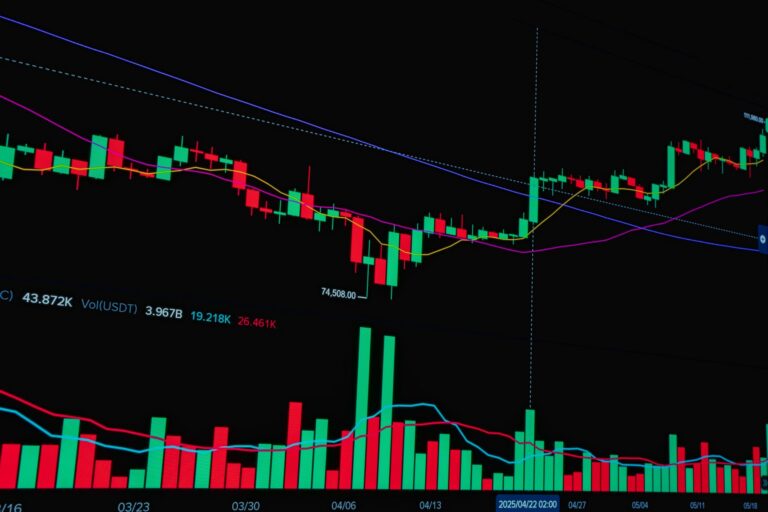
Clean bearish displacement should show strong-bodied candles, weak rebounds, and acceptance below prior sell-side liquidity. That kind of action tells me sellers are not just triggering stops, they are repricing value lower. In that case, rallies often become distribution opportunities rather than durable reversals.
A sell-side sweep into a higher-timeframe demand or order-block zone would carry different implications
A sell-side grab into a higher-timeframe demand area would carry a different message. A sharp push lower, followed by immediate rejection and a reclaim of lost structure, would suggest larger buyers are using forced selling for inventory.
That is why context matters. A stop-run by itself is not bullish. A demand zone by itself is not bullish. The reaction is the signal. I want to see whether XAU/USD accepts below broken levels or snaps back with urgency.
For traders building a watchlist across asset classes, our market analysis archive can help frame whether gold’s move is isolated or part of a larger liquidation pattern.
Confirmation matters: continuation favors bears, while a sharp rejection could signal absorption by larger buyers
Confirmation matters more than prediction here. Bearish continuation would look like lower highs, failed rebounds, and continued acceptance below recently broken liquidity. A stronger bullish response would look like a violent rejection from discounted pricing, followed by a reclaim that traps late sellers.
My read is cautious. With XAU/USD at $3,884.90 and down 3.6%, bears have the intraday control. Bulls need to earn the reversal. Until they do, the cleaner read is that hawkish Fed messaging and near-5% Treasury yields are suppressing safe-haven demand.
Gold is not ignoring risk-off trading. It is being forced to compete with restrictive real yields, and right now that competition is ugly.
FAQ
Why is gold falling during risk-off trading?
Gold is falling because the Fed hold was not read as dovish. Reports that two officials preferred a hike kept inflation and real-yield pressure alive. With the 10-year yield near 4.933%, investors are questioning whether safe-haven demand can offset the opportunity cost of holding gold.
What does a nearly flat DXY mean for this gold price analysis?
The nearly flat DXY suggests the selloff is not mainly a dollar-spike story. That matters because it shifts attention toward Fed rates, Treasury yields, positioning, and liquidity. When gold falls without a major dollar rally, traders should examine real yields and market structure more closely.
How do Treasury yields pressure XAU/USD?
Gold does not pay yield, so higher Treasury yields can raise its opportunity cost. Even though the 10-year yield is down on the session, 4.933% remains elevated. That keeps real-yield pressure on XAU/USD and can weaken bids unless fear, inflation hedging, or liquidity demand dominates.
What SMC signal matters most for gold now?
From a smart money concepts lens, the key is whether price creates bearish displacement through prior sell-side liquidity or only sweeps liquidity into higher-timeframe demand. Clean continuation favors sellers. A sweep followed by strong rejection would warn that larger buyers are defending a discounted area.
Is this gold drop a buying opportunity?
It may become one, but confirmation matters. A falling gold price during risk-off conditions can keep extending when yields stay restrictive and the Fed sounds hawkish. Traders should wait for evidence such as failed continuation, bullish expansion, or a reclaim after a liquidity raid.
The next tell is simple: can XAU/USD stabilize near the current $3,884.90 area while yields remain restrictive, or do sellers keep pressing until a clearer liquidity event appears?
Disclaimer: This article is for market commentary and education only. It is not financial advice, investment advice, or a recommendation to buy or sell any instrument.