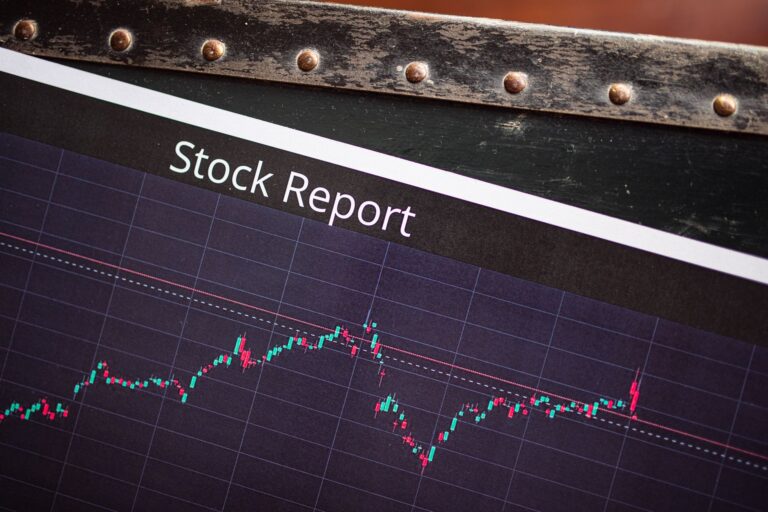

WTI is trading at $87.65, down 1.0%, and my WTI crude oil analysis starts with a simple point: the market is no longer paying the same fear premium it was willing to pay when Gulf flows looked more vulnerable. The dollar is flat, equities are soft, volatility is up, and crude is leaning into the $87 liquidity shelf rather than defending yesterday’s risk bid.
That matters because oil is sitting in a messy part of the chart. The headline level is $87.65, but the working level for traders is lower, near $87.00. That is where sell-side liquidity, late long stops, and short-term reaction flow can collide.
WTI Crude Oil Analysis Price Snapshot At $87.65
Down 1.0% On The Session As Supply Premium Fades
The WTI crude price is down 1.0% at $87.65, and the move has the feel of a supply premium being drained rather than a clean macro liquidation. Gold is only down 0.3% at $3,873, DXY is flat at 103.46, and the US 10Y yield is slightly lower at 5.133%. That mix does not scream dollar squeeze. It points toward crude-specific repricing with risk appetite adding pressure.
When crude rallies on disruption risk, it needs fresh confirmation to keep the bid alive. Shipping delays, export interruptions, producer threats, inventory draws, something tangible. Without that, the market starts removing the premium. That is what today’s tape looks like at $87.65.
Largest Cross-Asset Move Outside Indices And Crypto
Among the major non-crypto, non-index assets on the board, WTI is carrying one of the cleaner downside moves. Bitcoin is weaker at $64,113, down 2.1%, and Ethereum is down 2.0%, but crypto has its own volatility profile. The Nasdaq Composite is also under pressure, down 0.9% at 25,136. Crude’s 1.0% decline stands out because commodities are usually slower unless traders are repricing supply, demand, or both.
I track these relative moves because oil rarely trades in isolation for long. Crude can ignore equities for a session, sometimes two. Over a broader window, weaker cyclicals, lower speculative appetite, and rising volatility tend to tighten the leash on energy longs.
DXY Flat At 103.46 Keeps Focus Away From Dollar Strength
DXY sitting flat near 103.46 is important. A stronger dollar can pressure commodities by making them more expensive for foreign buyers, but that is not the main driver here. EUR/USD at 1.1013, GBP/USD at 1.3196, and USD/JPY at 159.48 show only modest FX movement.
That means the better read is supply normalization plus defensive positioning. The market is not selling WTI because the dollar is ripping. It is selling WTI because the marginal buyer has less reason to chase $88 and above while the broader tape is in a risk-off regime.
Why Is WTI Crude Price Slipping At $87.65?
Gulf Oil Exports Recover From Prewar Levels
The phrase that matters is Gulf oil exports. When export flows recover from prewar levels, the market removes some of the emergency bid. Traders who bought crude for disruption protection have to decide whether they still need that exposure at $87.65.
That does not mean the geopolitical risk is gone. It means the current price is no longer getting the same support from immediate flow stress. In oil, the difference between perceived risk and realized disruption can be huge. Futures price the fear first, then demand evidence.
For wider cross-market context, Bloomberg’s market coverage has been tracking softer US equity conditions, which lines up with today’s defensive tone across growth-sensitive assets.
Middle East Disruption Premium Drains From Futures
WTI’s decline to $87.65 tells me the futures curve is no longer rewarding buyers for assuming worst-case disruption. That is my clear opinion: unless fresh headlines confirm actual supply impairment, crude above $88.80 starts to look heavy rather than attractive.
Oil traders know this rhythm. A geopolitical headline hits, volatility expands, late buyers chase, then the market waits for physical confirmation. When the barrels keep moving, the bid thins out. The fall is rarely clean because energy still has headline risk, but the pressure becomes visible around failed pushes into supply.
For readers who want the prior bullish side of this theme, I covered the earlier disruption bid in this WTI crude breakdown on the Hormuz premium. The current setup is different because the market is questioning whether that premium still deserves the same weight.
Demand-Sensitive Assets Struggle In Risk Off Markets
Risk off markets matter because crude is both a supply asset and a demand asset. It responds to barrels, but it also responds to growth expectations, transport demand, manufacturing confidence, and speculative balance sheet appetite.
The S&P 500 is down 0.4% at 7,562. The Nasdaq is weaker, down 0.9%. Bitcoin and Ethereum are down more than 2%. That is not a panic, but it is enough to tell energy longs that the tape is less friendly. In a risk-off regime, rallies into supply tend to face faster selling unless the physical oil story is strong enough to overpower the macro drag.
How Are Risk Off Markets Pressuring Oil?
VIX Up 6.9% To 20.63 Signals Defensive Positioning
The VIX is up 6.9% to 20.63, and that is the cleanest signal of the day’s defensive stance. A VIX above 20 does not automatically break crude, but it changes positioning behavior. Traders reduce cyclical exposure. Funds trim risk. Short-term desks stop paying up for assets that need growth optimism.
My experience in crude and FX is that oil can hold up well during early volatility spikes when the move is driven by geopolitical risk. When volatility rises while supply pressure fades, the character changes. Buyers become selective. Stops under nearby lows become more attractive to target.
Nasdaq Down 0.9% And S&P 500 Down 0.4%
The Nasdaq Composite at 25,136, down 0.9%, is the larger equity warning. Growth-heavy indices often act like a sentiment barometer. The S&P 500 slipping 0.4% adds confirmation, even with the Dow slightly positive at 52,348.
CNBC’s market outlook has also focused on the week’s equity risk setup, and that backdrop matters for crude because weaker stock momentum can reduce appetite for commodity length. For broader daily setups across assets, I keep related notes under more market analysis.
US 10Y Yield At 5.133% Shows Limited Flight-To-Quality
The US 10Y yield is down 0.4% at 5.133%, but it is still high in absolute terms. That creates a strange mix. There is some defensive buying in rates, but not enough to create a full flight-to-quality impulse. In other words, risk is softer, yet financial conditions remain tight.
That is not great for crude demand expectations. Higher yields keep pressure on financing, housing, consumption, and industrial sentiment. Oil does not need all of those channels to weaken at once. It just needs enough of them to make buyers hesitate near resistance.
SMC Map: Crude Oil Liquidity Around $87.00
Watch For A Sell-Side Liquidity Sweep Near $87.00
The most important crude oil liquidity level on my map is $87.00. Price is currently at $87.65, so the market is close enough for that area to matter without pretending it has already traded there. Below $87.00, I would expect resting stops from intraday longs, breakout buyers, and traders defending the recent support shelf.
From a Smart Money Concepts perspective, the cleanest downside raid would push through $87.00, trigger stops, and then either reject immediately or continue with displacement. For readers building that framework, my archive on SMC trading strategies is the best place to connect liquidity grabs, structure shifts, and execution filters.
My working map: $87.00 is the liquidity trigger, $86.20-$86.50 is the next demand zone, and $88.80-$89.30 is the supply band that sellers need to defend.
Bullish Reclaim Scenario After A Stop Run
A sweep under $87.00 followed by a fast recapture would warn that sellers got baited. That would be a classic bear trap structure: stops run, liquidity collected, then price returns back above the broken level. The quality of the reclaim matters more than the wick itself.
I want to see expansion away from the low, not slow grinding overlap. Strong rejection below $87.00 followed by acceptance back above $87.65 would tell me buyers are absorbing supply and forcing shorts to cover. That would shift the session from breakdown risk to rotation risk.
Failure To Reclaim Opens $86.20-$86.50 Demand
A weak bounce after a move through $87.00 would keep sellers in control. The next downside area I care about is $86.20-$86.50, where demand may attempt to respond. That zone is close enough to spot to be relevant, but far enough away that I do not want to front-run it without confirmation.
Clean acceptance below $87.00 would also damage the short-term oil market structure. Late longs would be underwater, sellers would have proof of control, and the market could start using $87.00 as resistance instead of support.
Oil Market Structure: Supply, Demand, And Invalidation
Short-Term Supply Sits Around $88.80-$89.30
The short-term supply band sits around $88.80-$89.30. That is where failed continuation attempts can form if crude bounces from $87.65 but cannot attract fresh buying. Sellers want to see price rotate into that zone, stall, and reject.
That area is also useful because it gives the bearish thesis a clean invalidation region. Trading without invalidation is just storytelling. I have no interest in that. A bearish crude plan only deserves attention while price remains offered below the band or fails quickly after testing it.
Trapped Longs May Defend The Upper Band
Trapped longs often become active around prior entry areas. Some defend, some reduce, and some wait for breakeven. That creates noisy trade around supply. The first touch of $88.80-$89.30 may not resolve immediately because both sides have business there.
The key is reaction. Slow buying into the band with weak candles is different from a sharp expansion through it. Sellers want overlap, hesitation, and failed highs. Buyers want acceptance and follow-through above $89.30.
For a related example of crude failing despite broader risk appetite, see this prior WTI crude selloff analysis. The lesson is still relevant: oil can disconnect briefly, but structure eventually exposes weak participation.
Fresh OPEC Or Geopolitical Catalysts Could Shift Structure
Oil is vulnerable to headline risk. OPEC commentary, export disruptions, refinery outages, sanctions updates, and shipping threats can all change the tape quickly. That is why I do not treat the $87.00 liquidity area as a prediction. It is a decision zone.
CaixaBank’s daily financial markets report provides another macro reference point for the wider rates and risk backdrop. Those conditions matter, but crude can still override them when physical supply news hits hard enough.
What Would Change The Bearish Thesis?
Acceptance Above $89.30 Reduces Downside Pressure
The bearish WTI read weakens on acceptance above $89.30. A wick is not enough. I want to see price hold above the supply band, attract buyers on pullbacks, and stop treating $88.80-$89.30 as distribution.
That would tell me the market has absorbed the fading premium narrative and found a new reason to bid crude. Maybe supply risk returns. Maybe equities stabilize. Maybe the demand read improves. The reason matters, but the chart will usually show the transition first.
Renewed Gulf Disruption Headlines Could Reprice Risk
Fresh Gulf disruption headlines would be the most direct threat to the bearish view. Actual interference with exports, credible shipping constraints, or a material change in regional risk could bring buyers back quickly. WTI at $87.65 still carries geopolitical sensitivity.
That is why shorting crude blindly into support-adjacent liquidity is poor process. The better approach is to let the market reveal whether $87.00 is a stop-run level or a breakdown gateway.
Dollar Stability Means Cross-Asset Risk Remains The Tell
Because DXY is flat at 103.46, I am watching cross-asset risk more than the dollar right now. The tells are VIX holding above 20, Nasdaq weakness extending, S&P 500 failing to stabilize, and yields remaining elevated near 5.133% on the 10Y.
If those pressures persist while Gulf flows remain steady, WTI can keep probing lower liquidity. If equities firm and crude reclaims the $88.80-$89.30 band, the downside case loses force. The next clean answer should come from how price behaves around $87.00, not from opinion.
FAQ
What is the main takeaway from this WTI crude oil analysis?
WTI is trading at $87.65, down 1.0%, as recovering Gulf oil exports reduce the disruption premium. With DXY flat near 103.46, the move looks less dollar-driven and more tied to supply normalization, weaker risk appetite, and pressure on demand-sensitive assets near key liquidity.
Why do risk off markets matter for WTI crude price?
Risk off markets can weigh on WTI because crude is linked to growth expectations, transport demand, and speculative appetite. The VIX jump to 20.63, Nasdaq decline, and softer S&P 500 suggest traders are reducing cyclical exposure, even as Treasury yields edge slightly lower.
What crude oil liquidity level matters now?
The key SMC area is sell-side liquidity near $87.00. A sweep below that zone followed by a reclaim would warn of a bear trap. A failure to recapture the level keeps pressure on sellers’ side and can open the $86.20-$86.50 demand zone.
What would invalidate a bearish WTI crude oil analysis?
Bearish pressure weakens if WTI reclaims and holds above the $88.80-$89.30 supply band. That area may contain trapped longs and short-term sellers, so acceptance above it would suggest the market is repricing risk, especially if OPEC or geopolitical headlines return.
Is DXY responsible for today’s WTI weakness?
DXY is flat near 103.46, so today’s WTI weakness is not primarily a dollar-strength story. The better explanation is a fading Middle East disruption premium, recovering Gulf flows from prewar levels, and defensive positioning across risk-sensitive markets into support-adjacent liquidity.
The forward read is simple: I’m watching whether $87.00 becomes a liquidity grab or a confirmed break. Which side of that level do you think crude respects first?
Disclaimer: This article is for educational market analysis only and is not financial advice or a recommendation to buy or sell any instrument.